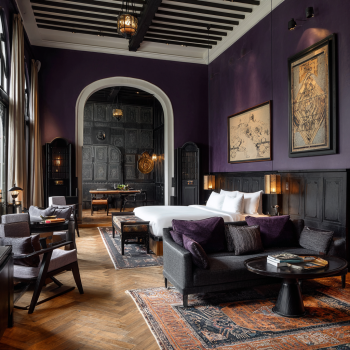
Europe: Classic Picks
Europe is bursting with boutique hotels that embody charm, style, and that effortless Mediterranean flair.
Lisbon, Portugal - Think colorful tiles, narrow streets, hidden courtyards. Boutique hotels here often feature hand-painted walls, balconies with plants spilling over, small rooftop terraces for sunset wine. Staff are warm and often have stories about the city to share.
Florence, Italy - In the heart of Tuscany, boutique hotels mix Renaissance architecture with modern comfort. Wooden beams, stone floors, elegant fabrics, a cozy library or sunlit terrace. You’re steps away from piazzas and gelato, but your hotel feels like a private retreat.
Barcelona, Spain - Gothic Quarter or El Born, you’ll find small hotels with interior courtyards, tile floors, wrought iron accents, open windows that let in the city sounds. The vibe is casual but cultured—perfect for walking, coffee, and people-watching.
Americas: Style Across the Ocean
Santa Barbara, California - Mediterranean-style boutique hotels here feel transplanted from Europe but with a coastal Californian twist. Red-tiled roofs, sun-bleached walls, vine-covered trellises. Rooms open to terraces or courtyards, sometimes pools with ocean views. Breakfasts are fresh, light, local.
Tulum, Mexico - Boutique hotels line the soft white sand, blending into dunes or jungle. Minimalist design meets natural textures—wood, stone, and linen dominate. Many hotels offer hammocks, yoga sessions, small restaurants with fresh fish and tropical fruits. The vibe is calm, unhurried, quietly luxurious.
Buenos Aires, Argentina - In Palermo or San Telmo, boutique hotels occupy historic buildings with colorful façades, interiors full of local art, cozy lounges, and roof terraces. Staff are passionate about the city, offering tips that feel personal. You can wander neighborhoods and return to a hotel that feels like a friend’s home.
Asia: Unexpected Gems
Asia’s boutique hotels often combine local craftsmanship with modern elegance.
Bali, Indonesia - Small resorts in Ubud or Canggu feel like private sanctuaries. Open-air rooms, pools hidden among gardens, natural materials, handcrafted furniture. They’re intimate, quietly luxurious, and perfectly aligned with the island’s relaxed vibe.
Tokyo, Japan - Boutique hotels in Shibuya or Ginza are often tiny but packed with thoughtful design. Futuristic minimalism meets traditional touches—tatami mats, sliding doors, sleek furniture. It’s a mix of calm and energy, giving you a sense of place in one of the busiest cities in the world.
Hoi An, Vietnam - Colonial buildings, lush courtyards, lantern-lit terraces. Boutique hotels here feel like stepping back in time, with modern comforts hidden seamlessly. Even small touches—a vintage bicycle, hand-painted wall, or rooftop garden—add to the charm.
Africa & Middle East: Style and Serenity
Marrakech, Morocco - Boutique riads with central courtyards, fountains, mosaic tiles, fragrant gardens. Rooms are intimate, service is personal, terraces offer glimpses of the Atlas Mountains. Colors, textures, and scents all combine for a multi-sensory experience.
Cape Town, South Africa - Boutique hotels near the waterfront or vineyards feel open and airy. Large windows, natural materials, terraces with views, small pools. Interiors are stylish but welcoming. Staff know the city, the wine, the food, and are happy to share tips.
Dubai, UAE - Boutique hotels here offer a calm contrast to skyscrapers. Small pools, minimalist interiors, subtle luxury, attention to detail. Staff focus on comfort and small surprises that make your stay memorable.
Why Boutique Hotels Are Special
Boutique hotels offer style with soul. Unlike chains, they have personality. Unlike hostels, they have comfort and privacy. They let you feel part of a place, rather than just passing through.
You notice small things: the texture of a pillow, the scent of a candle, the local artwork, the breakfast made with care. Staff might remember your favorite drink, offer a hidden gem to visit, or make a small adjustment that transforms your stay.
Boutique hotels encourage you to slow down, to linger, to pay attention. Even a short stay feels immersive, rich, and memorable.
Tips for Choosing Boutique Hotels
Look for small properties - Less than 50 rooms often means attention to detail.
Check design and location - Spaces should feel alive, authentic, and comfortable.
Consider service style - Friendly, relaxed, personal.
Read local guides and blogs - Boutique hotels can be tucked away; recommendations help.
Think about atmosphere - A terrace, garden, or pool adds to the experience.
Conclusion
Boutique hotels are more than accommodation—they’re part of the journey. From Europe to the Americas, Asia, Africa, and beyond, they offer intimacy, style, and a sense of place. They’re small, full of character, and deeply personal.
A boutique hotel can transform your trip. It turns ordinary streets into discoveries, meals into memories, and a simple night’s sleep into part of your story. So next time you plan a trip, don’t just pick a hotel—pick a boutique hotel, and let it shape the rhythm, mood, and magic of your travels.