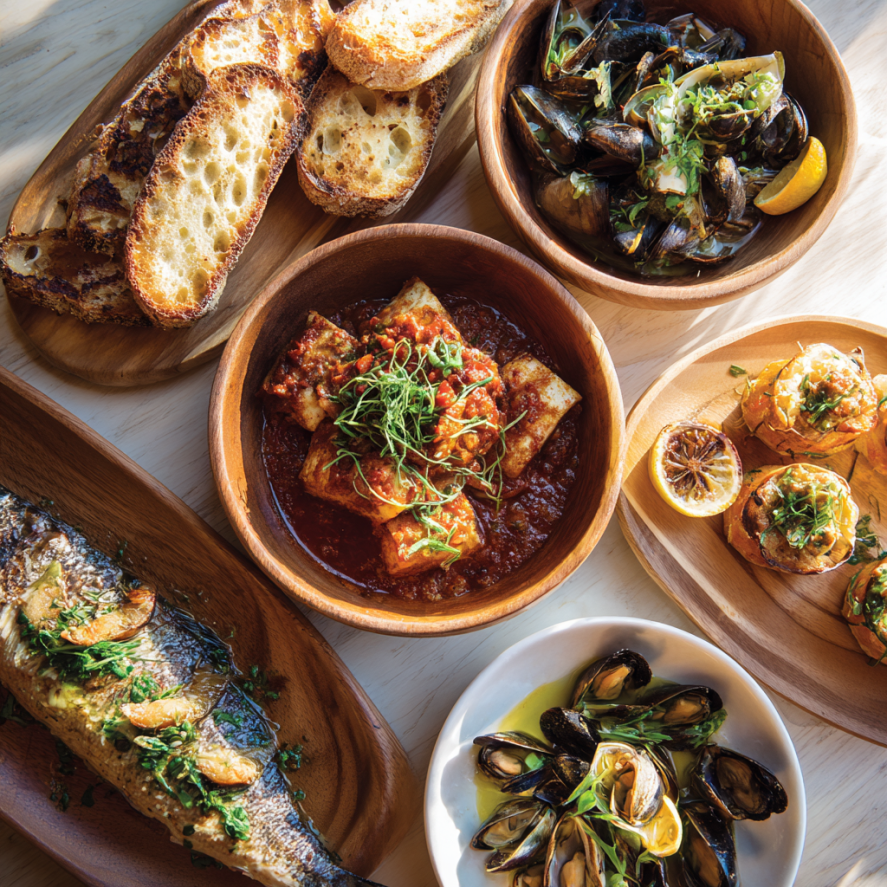
Europe: Classic Food & Drink Adventures
Italy - From northern cheeses to southern seafood, Italy is a dream for any food lover. Breakfast often starts simply: fresh bread, cappuccino, jam. Lunch might be pasta or seafood at a family-run trattoria, dinner a multi-course affair in a candlelit restaurant. Pair meals with local wine, and you’re tasting the essence of the region. Markets are also experiences—smelling fresh basil, watching fishmongers at work, sampling olives or cheeses on the go.
France - Think boulangeries at dawn, croissants still warm from the oven, cheese shops stacked with creamy varieties. Wine regions like Bordeaux and Burgundy offer tastings, vineyard tours, and lessons in pairing. Even urban cafes in Paris or Lyon invite slow enjoyment—people-watching with espresso or cider in hand, pastries melting on your tongue.
Spain - Tapas culture encourages sharing, trying, tasting. Small plates of jamón, olives, grilled fish, or fresh vegetables move from table to table, conversations flowing along. Sangria or sherry often accompanies the food. Markets, seaside chiringuitos, and rooftop terraces all offer unique atmospheres.
Americas: Vibrant Tastes
Mexico - Tacos, tamales, fresh ceviche, and colorful salsas await in every town. Street food is part of the experience—freshly grilled, quick, and authentic. Mezcal or tequila tastings introduce you to local spirits, often with a story about the distillery and its family traditions.
Peru - Lima has emerged as a culinary capital. From cevicherias to high-end tasting menus, the blend of native ingredients and modern techniques creates unforgettable flavors. Pisco sour in hand, the city unfolds bite by bite.
USA - Think farm-to-table in California, southern barbecue in Texas, seafood in Maine. Each region has identity and rhythm. Craft breweries, coffee roasters, or wine trails add layers beyond the plate. Experiencing food is also about meeting the makers, farmers, or chefs who infuse passion into every dish.
Asia: Flavors and Rituals
Thailand - Street food is king. Markets buzz with pad thai, mango sticky rice, curries, and fresh juices. Restaurants range from humble stalls to refined riverside dining. Eating is social, vibrant, and sensory—spicy, sweet, sour, salty, fragrant all at once.
Japan - Sushi, ramen, and kaiseki aren’t just meals—they’re ceremonies. Presentation is as important as taste, and the rhythm of a multi-course meal encourages focus and mindfulness. Tea houses, sake breweries, and street stalls offer layers of experience.
India - Spices tell stories of trade, history, and region. Street stalls, coastal seafood shacks, royal kitchens, local sweets—all showcase diversity. Food is shared, eaten slowly, and experienced as culture itself.
Africa & Middle East: Bold and Aromatic
Morocco - Tagines, couscous, fresh mint tea. Markets in Marrakech and Fes are alive with colors, smells, and sounds. Each bite connects you to centuries of culinary tradition. Eating with locals, sharing bread, or sipping mint tea in a courtyard is a cultural immersion.
South Africa - Vineyards around Cape Town provide wine tastings paired with local cheeses, charcuterie, or fresh seafood. Braais—traditional barbecues—invite communal enjoyment. Food experiences are as much about landscape and view as what’s on the plate.
Lebanon - Mezze platters, fresh hummus, tabbouleh, grilled meats. Sharing small dishes encourages conversation, movement, and exploration of flavors. Street vendors, rooftop restaurants, and seaside cafes all add to the experience.
Experiencing Local Drinks
Food and drink are inseparable. Each region has beverages tied to identity:
Wine: Italy, France, Spain, California, South Africa
Beer & Craft Beer: Germany, Belgium, USA, Mexico
Spirits: Tequila and mezcal in Mexico, pisco in Peru, sake in Japan
Non-alcoholic: Fresh juices in tropical countries, tea in Asia, coffee culture worldwide
Participating in local drink traditions is part of slow immersion. Tastings, pairing classes, or even visiting small producers add stories to your palate.
Tips for Food & Drink Travel
Go local - Small cafes, markets, street stalls often have the best experiences.
Eat slowly - Don’t rush; notice flavors, textures, and aromas.
Try something new every day - Even one unfamiliar dish or drink expands your experience.
Talk to locals - Ask for recommendations; insider tips often lead to hidden gems.
Balance indulgence with exploration - Mix casual street food with fine dining or tasting menus.
Why Food & Drink Experiences Matter
Food and drink experiences shape your memory of a place. They’re sensory bookmarks—colors, smells, tastes, textures. Eating a fresh croissant in Paris, a ceviche by the Mexican coast, or sipping mint tea in Morocco lingers longer than a museum visit. You feel a connection to the land, its people, and its culture. It’s a universal language that bridges barriers, invites conversation, and makes travel unforgettable.
Conclusion
Travel without food and drink is like music without rhythm. From Europe’s cafes and markets to the Americas’ vibrant street stalls, Asia’s ceremonial meals, and Africa & the Middle East’s aromatic spreads, tasting your way through a place is essential.
Food and drink experiences turn a trip into a story you can taste, smell, and savor. They slow you down, anchor you in a place, and connect you to people, culture, and environment in ways nothing else can.
So the next time you travel, don’t just look. Taste. Sip. Slow down. Let the flavors, textures, and aromas guide your journey. Every meal is a memory waiting to be made.